Leave and Attendance Management: Simplify Workforce Tracking and Employee Productivity
August 24, 2026 | By Gopareto Marketing
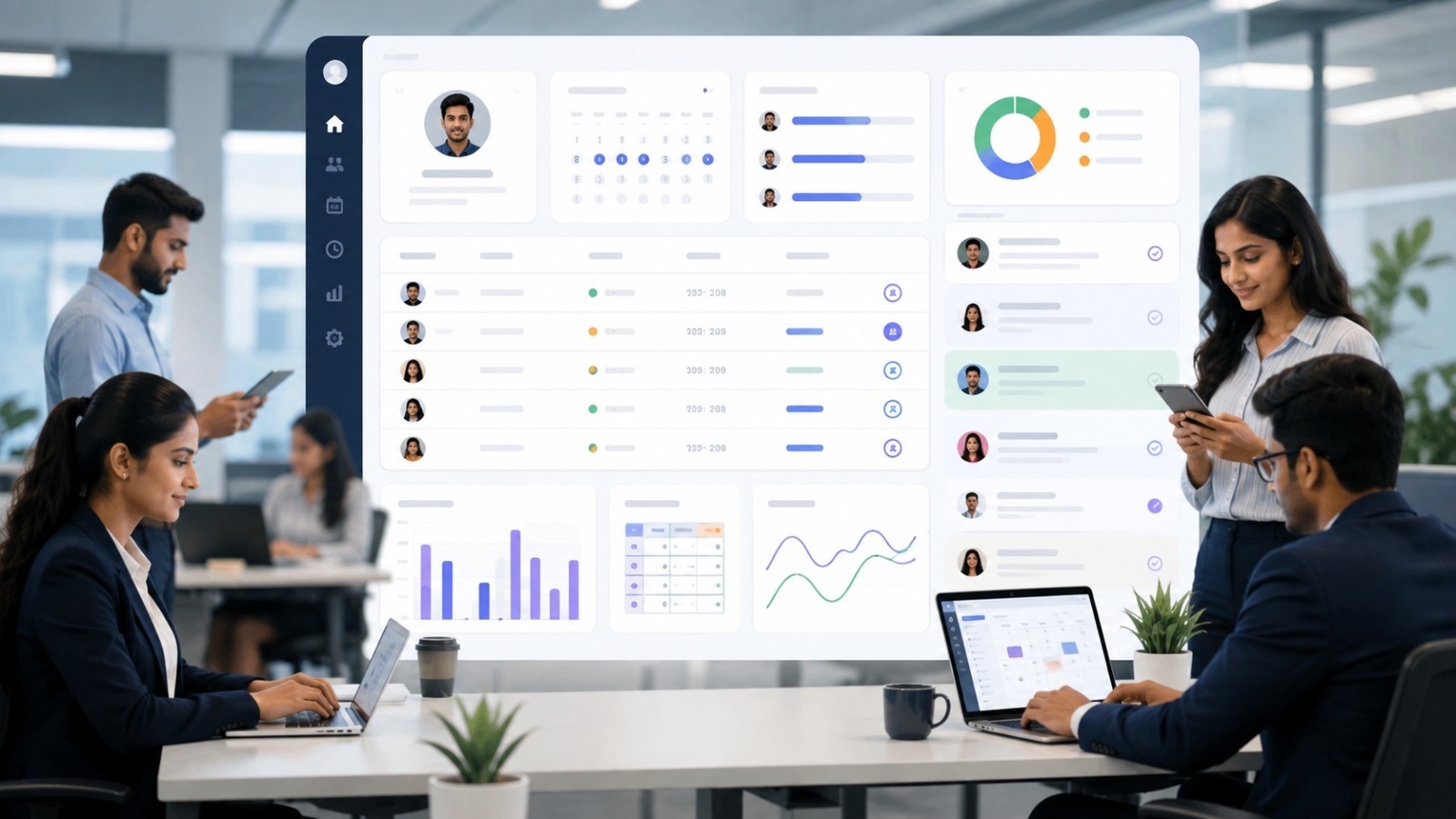
In modern workplaces, a Leave and Attendance Management System helps organizations efficiently manage employee attendance, working hours, leave requests, and workforce records from a centralized platform. Manual attendance registers, spreadsheets, and email-based leave approvals can create unnecessary administrative work and increase the possibility of errors.
A digital solution enables HR teams and managers to streamline attendance tracking, simplify leave workflows, maintain accurate records, and provide employees with greater visibility into their attendance information.
What Is Leave and Attendance Management?
Leave and attendance management refers to the process of recording employee attendance, monitoring working hours, managing leave balances, and handling employee time-off requests. Traditionally, many organizations relied on manual registers or spreadsheets to maintain these records.
As businesses grow, these methods can become difficult to manage. HR teams may need to monitor attendance for multiple departments, calculate leave balances, review late arrivals, and maintain records for payroll processing.
A centralized attendance platform can bring these activities together in one system. Employees can view their attendance records and submit leave requests, while managers can review requests and HR teams can maintain workforce information more efficiently.
Why Businesses Need Digital Attendance Management
Accurate attendance data is important for workforce planning, payroll administration, compliance, and employee productivity. Manual processes can result in duplicate records, calculation mistakes, delayed approvals, and difficulty accessing historical information.
A digital platform can help organizations:
- Track employee attendance
- Monitor working hours
- Manage leave requests
- Maintain leave balances
- Simplify approval workflows
- Reduce manual HR work
- Improve attendance visibility
- Support payroll-related processes
- Generate workforce reports
By bringing attendance and leave information into one platform, businesses can reduce administrative complexity and improve operational efficiency.
Key Features of an Attendance Management System
1. Employee attendance tracking. An effective system allows organizations to maintain accurate attendance records for employees. HR managers can monitor attendance information without depending entirely on manual registers or spreadsheets.
2. Leave request management. Employees can submit leave requests through a centralized platform. Managers can review requests, approve or reject them, and maintain a clear record of leave activity.
3. Leave balance tracking. Employees and HR teams can monitor available leave balances. This improves transparency and reduces confusion regarding remaining vacation, sick, casual, or other applicable leave categories.
4. Attendance reports. Reports can help HR teams analyze attendance patterns, employee absences, and workforce trends. These insights can support better workforce planning and administrative decision-making.
5. Approval workflows. Structured approval processes ensure that leave applications reach the appropriate manager or HR representative. This can reduce delays and make responsibility clearer.
6. Centralized employee records. Instead of maintaining attendance information across different files, organizations can keep relevant records within a centralized system. This makes information easier to access and manage.
How Attendance Management Improves HR Productivity
HR teams often spend significant time handling routine attendance and leave-related activities. Employees may ask about leave balances, managers may request attendance reports, and HR professionals may need to update spreadsheets manually.
Automation can reduce repetitive administrative work. Employees can access relevant information themselves, while managers can review requests through a structured workflow.
This allows HR professionals to spend more time on strategic activities such as employee engagement, workforce planning, performance management, and organizational development.
The Importance of Accurate Attendance Data
Attendance information can influence several business processes. Accurate records can help organizations understand workforce availability, identify attendance trends, and support payroll administration.
For example, if a department experiences frequent absenteeism, management can examine the underlying pattern and determine whether staffing levels, workload, scheduling, or other operational factors require attention.
Reliable data also improves transparency. Employees can review their attendance and leave information rather than relying on informal communication or manual records.
Choosing the Best Attendance Solution for Your Business
Selecting the Best Leave and Attendance Management System requires more than simply comparing feature lists. Businesses should consider usability, scalability, reporting capabilities, workflow flexibility, security, accessibility, and integration with existing HR processes.
An effective solution should be easy for employees to use while providing HR teams and managers with sufficient control.
Businesses should consider questions such as:
- Can employees easily apply for leave?
- Can managers approve requests quickly?
- Are leave balances updated automatically?
- Can HR generate attendance reports?
- Is employee information securely managed?
- Can the platform support growing teams?
- Can it work with other HR and payroll processes?
- Is the system accessible across different devices?
The right platform should simplify everyday HR operations rather than create additional administrative complexity.
Benefits for Employees
Attendance management is not only useful for HR departments. Employees can also benefit from improved visibility and convenience.
A centralized system can allow employees to:
- View attendance information
- Check leave balances
- Submit leave applications
- Monitor approval status
- Reduce paperwork
- Access information remotely
- Maintain greater visibility into their work records
This creates a more transparent employee experience and reduces dependence on HR for routine information.
Benefits for Managers
Managers need reliable workforce information to plan daily operations. When attendance and leave information is available in one place, managers can understand employee availability and make better scheduling decisions.
They can review leave applications, monitor attendance patterns, and identify potential staffing gaps before they affect operations.
This is particularly useful for organizations with multiple teams, departments, branches, or hybrid work arrangements.
How GoPareto Supports Attendance Management
GoPareto provides attendance management functionality designed to help businesses organize employee attendance and leave-related processes. A centralized approach can make it easier for organizations to manage employee records, monitor attendance, handle leave workflows, and improve HR visibility.
Instead of relying on disconnected spreadsheets and manual communication, businesses can establish a structured process for managing workforce attendance.
The objective is not simply to record when employees are present or absent. Effective attendance management should provide useful workforce information that supports productivity, planning, and efficient HR administration.
Improve Workforce Management With Digital Processes
As organizations expand, managing employee attendance manually becomes increasingly difficult. A centralized digital solution can provide greater accuracy, transparency, and control while reducing repetitive administrative tasks.
From attendance records and leave applications to approval workflows and reporting, technology can help HR teams create a more organized workforce management process.
Businesses that invest in the right Leave and Attendance Management System can simplify HR administration, improve attendance visibility, streamline leave processes, and create a more transparent experience for employees and managers.
Frequently Asked Questions (FAQs)
What is an attendance management system?
How does attendance software help HR teams?
Can employees apply for leave through an attendance management platform?
Can managers approve employee leave requests online?
Why is accurate attendance tracking important?
Is digital attendance management suitable for growing businesses?
How can GoPareto help with employee attendance?
Visit Us
GoPareto - Simple & Complete Business Management solution, Omkar Nandan Apartment, A1 201, near Navale Bridge, Kudale Baug, Narhe, Pune, Maharashtra 411041.
Related Blogs