How to Handle Maternity and Paternity Leave Correctly: Legal Compliance & Employee Support Guide
September 2, 2026 | By Gopareto Marketing

Maternity and paternity leave isn’t just an employee benefit—it’s a legal requirement in most jurisdictions. Yet many small business owners and HR managers struggle with how to handle maternity and paternity leave correctly, often making costly mistakes.
Getting it wrong can expose your business to legal disputes, damage your reputation, and lose valuable employees. Getting it right builds loyalty, improves retention, and protects your business.
This guide covers everything you need to know about handling maternity and paternity leave—from legal requirements to practical policies that support your team.
Why Handling Maternity and Paternity Leave Correctly Matters
Before diving into the how-to, let’s understand why this matters.
Mishandling parental leave can trigger claims of discrimination, wrongful termination, or breach of statutory obligations. The costs add up quickly—legal fees, settlements, and damage to your reputation.
Employees with young families are often high-value team members. How you handle maternity and paternity leave determines whether they come back or look elsewhere. The cost to replace someone is 50-200% of their annual salary, so retention pays off.
Your maternity and paternity leave policy signals how much you value your people. A fair, supportive policy attracts better talent and improves morale across the entire company.
When you handle maternity and paternity leave correctly—with planning, documentation, and clear communication—you minimize disruption to your business.
Key Legal Requirements for Maternity and Paternity Leave
The specific rules vary by country and state, but here are the core principles most jurisdictions follow:
Australia
- Minimum 12 weeks unpaid maternity leave (National Employment Standards)
- Minimum 2 weeks unpaid paternity/parental leave
- Fair Work Act protects employees from discrimination based on parental status
- Employers can offer paid leave (not required but encouraged)
United Kingdom
- 52 weeks maternity leave (26 weeks paid, 26 weeks unpaid)
- Statutory Paternity Pay: 2 weeks at £184.03/week or 90% of average weekly earnings
- Parental Responsibility Leave: additional protections
India
- Maternity Benefit Act: 26 weeks paid maternity leave (8 weeks before, 18 weeks after)
- Paternity Benefit: Up to 5 days (varies by state, only for ESI-covered employees)
- DPDP compliance required for recording leave in HRMS
- Recent updates include protections for work-from-home arrangements during pregnancy
UAE
- Maternity leave: 45 days paid (or reduced hours option)
- Paternity leave: 5 days paid (Federal level; some employers offer more)
- Breastfeeding breaks: 1 hour daily until child turns 2 years
USA
- FMLA: 12 weeks unpaid leave (for covered employers)
- Varies significantly by state (California, New York have paid leave programs)
- Some states require paid family leave
Important: If your business operates in multiple countries, you need to comply with the strictest requirement for each location.
Step-by-Step: How to Handle Maternity and Paternity Leave Correctly
1. Audit Your Current Policy Against Local Laws
Start by reviewing your current maternity and paternity leave policy (if you have one) against local legal requirements.
What to check
- Minimum leave duration (paid and unpaid)
- Pay continuation requirements
- Job protection guarantees
- Anti-discrimination protections
- Flexibility options (part-time return, job sharing)
- Notice requirements for both employee and employer
If you’re in a regulated industry (healthcare, education, finance), you may have additional requirements.
2. Document Your Policy in Writing
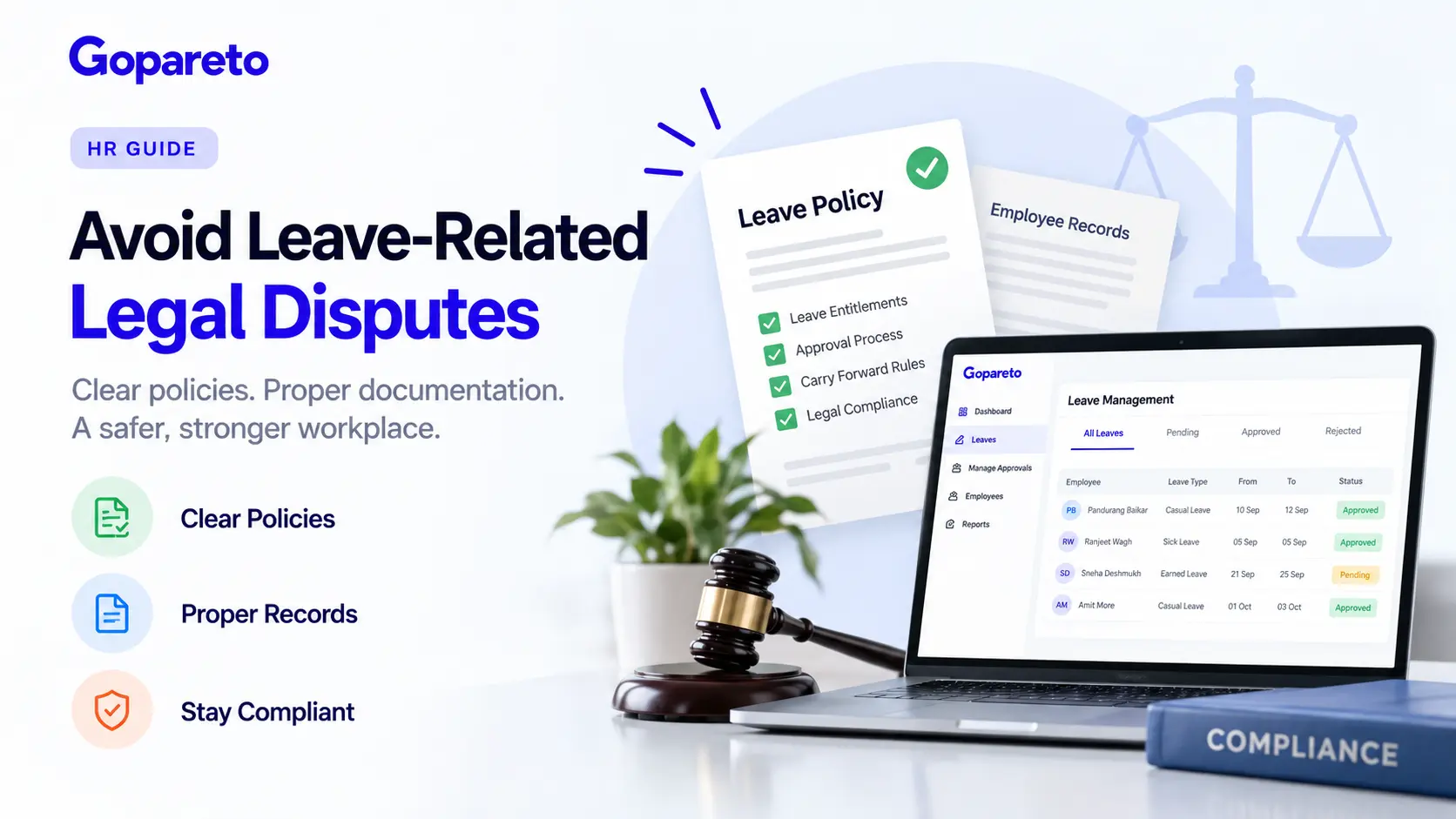
A written policy is your legal protection. If you’re ever challenged, you need clear evidence that you treated the employee fairly and consistently.
Your maternity and paternity leave policy should include
- Eligibility criteria (minimum tenure, employment status)
- Leave duration (paid and unpaid)
- Pay continuation (percentage, if offered)
- How benefits continue (health insurance, pension)
- Return-to-work timeline and job protection
- Notification requirements and deadlines
- Flexible return options (part-time, job sharing)
- Breastfeeding accommodation (if applicable)
- Anti-discrimination statement
Keep it simple: Use plain language. This is for your employees to understand, not just lawyers.
3. Communicate Clearly with Expecting Employees
When an employee informs you they’re expecting, your first step is proper communication.
What to do immediately
- Congratulate them (genuinely—this is a significant life event)
- Provide them with your written leave policy
- Explain their rights and your obligations
- Discuss timing, notice requirements, and next steps
- Address any immediate workplace adjustments (health and safety)
What not to do
- Ask intrusive questions about their plans
- Assume they won’t return
- Make assumptions about their career plans
- Create a hostile or unwelcoming environment
- Offer less favorable roles or projects
This conversation should happen privately and be documented in writing (email confirmation is fine).
4. Adjust Workplace Conditions During Pregnancy (If Required)
Pregnancy-related risks vary, but employers have a duty to protect pregnant employees and nursing mothers.
Common adjustments
- Reducing heavy lifting requirements
- Adjusting shift patterns for safety (no overnight shifts, for example)
- Providing rest facilities
- Allowing more frequent bathroom breaks
- Accommodating medical appointments
- Adjusting work-from-home policies if the employee requests it
Document these adjustments and get the employee’s agreement in writing. This protects both parties.
5. Plan for Coverage During Absence
One of the biggest mistakes small businesses make is not planning for leave coverage until the last minute. Handle maternity and paternity leave correctly by planning ahead.
Coverage plan should include
- Who will cover the role (existing team or temporary hire)
- Knowledge transfer timeline
- Training needs
- Temporary staffing budget
- Customer/client communication strategy
- Handover documentation
Ideally, start this 2-3 months before the expected leave date. This reduces stress for the employee and ensures continuity for your business.
6. Maintain Benefit Continuity
This is often overlooked, but it’s critical for legal compliance and employee morale.
Benefits that must continue during leave
- Health insurance (employee contribution still required)
- Pension contributions (check your regulations)
- Accrual of sick leave and annual leave
- Seniority and service records
- Insurance policies
Benefits that typically stop
- Performance bonuses (unless your policy specifies otherwise)
- Discretionary overtime pay
- Commissions (unless already earned)
Clarify this in your policy and confirm it with each employee before they leave.
7. Stay in Contact (But Respect Boundaries)
The relationship shouldn’t end when the employee goes on leave. However, you need to strike a balance between staying connected and respecting their parenting time.
Good practice
- Send occasional updates about company happenings (if they want them)
- Confirm return-to-work dates 4-6 weeks before expected return
- Discuss any role changes or new opportunities
- Be flexible about return-to-work arrangements
Don’t do
- Contact them frequently with work issues
- Make assumptions about their career plans
- Pressure them to return early
- Create a sense that they’re "out of the loop"
If you’re keeping in touch, document this communication. It shows you’re supporting their return to work.
8. Prepare for Return to Work
The return-to-work transition is where many businesses stumble. Plan for it proactively.
Return-to-work plan should include
- Clear return date (allow flexibility if childcare falls through)
- Updated role description (if the role has changed)
- Any new systems, processes, or team members they’ve missed
- Flexible working arrangement (if offered)
- Gradual ramp-up if appropriate
- Support and mentoring plan
Meet with the returning employee 1-2 weeks before they return. Discuss how you’ve prepared and what support they need.
9. Document Everything
Legal compliance relies on documentation. Throughout the process, keep records of:
- The employee’s notification of pregnancy
- Leave policy provided
- Adjustments made and employee’s agreement
- Benefit continuation details
- Communications about return to work
- Any leave of absence agreements signed
Use your HRMS to maintain these records securely. Digital records with timestamps are better evidence than handwritten notes.
10. Review Flexibility Options
Modern employees value flexibility. Consider whether you can offer:
- Phased return (part-time gradually increasing to full-time)
- Remote work options
- Flexible hours or compressed weeks
- Job sharing with another employee
- Temporary role changes
These options often reduce turnover and make return transitions smoother.
Common Mistakes When Handling Maternity and Paternity Leave
Not knowing the legal minimum
Many businesses assume their policy is adequate without verifying against local law. Audit your policy today.
Treating maternity and paternity leave differently
Modern employment law expects equal treatment. If you offer more maternity leave, you should offer the same to fathers or non-birthing partners.
Making assumptions about return to work
Don’t assume the employee won’t return, will return part-time, or will need to change roles. Let them tell you.
Failing to communicate clearly
Ambiguity creates disputes. Everything should be in writing, in plain language, and confirmed with the employee.
Not planning for coverage
Last-minute staffing chaos damages morale and customer service. Plan months in advance.
Discriminating after return
This is a common hidden cost—subtle discrimination, fewer opportunities, or different treatment. Don’t do it.
Losing documentation
Without clear records, you can’t defend yourself if challenged. Use your HRMS to maintain everything.
How GoPareto Helps You Manage Maternity and Paternity Leave Correctly
Managing the complexity of maternity and paternity leave gets easier with the right system. Here’s how GoPareto supports this:
Leave Policy Management
- Store your maternity and paternity leave policy in one place
- Customize for multiple countries and states
- Employees can access the policy anytime
- Clear, searchable documentation
Leave Balance Tracking
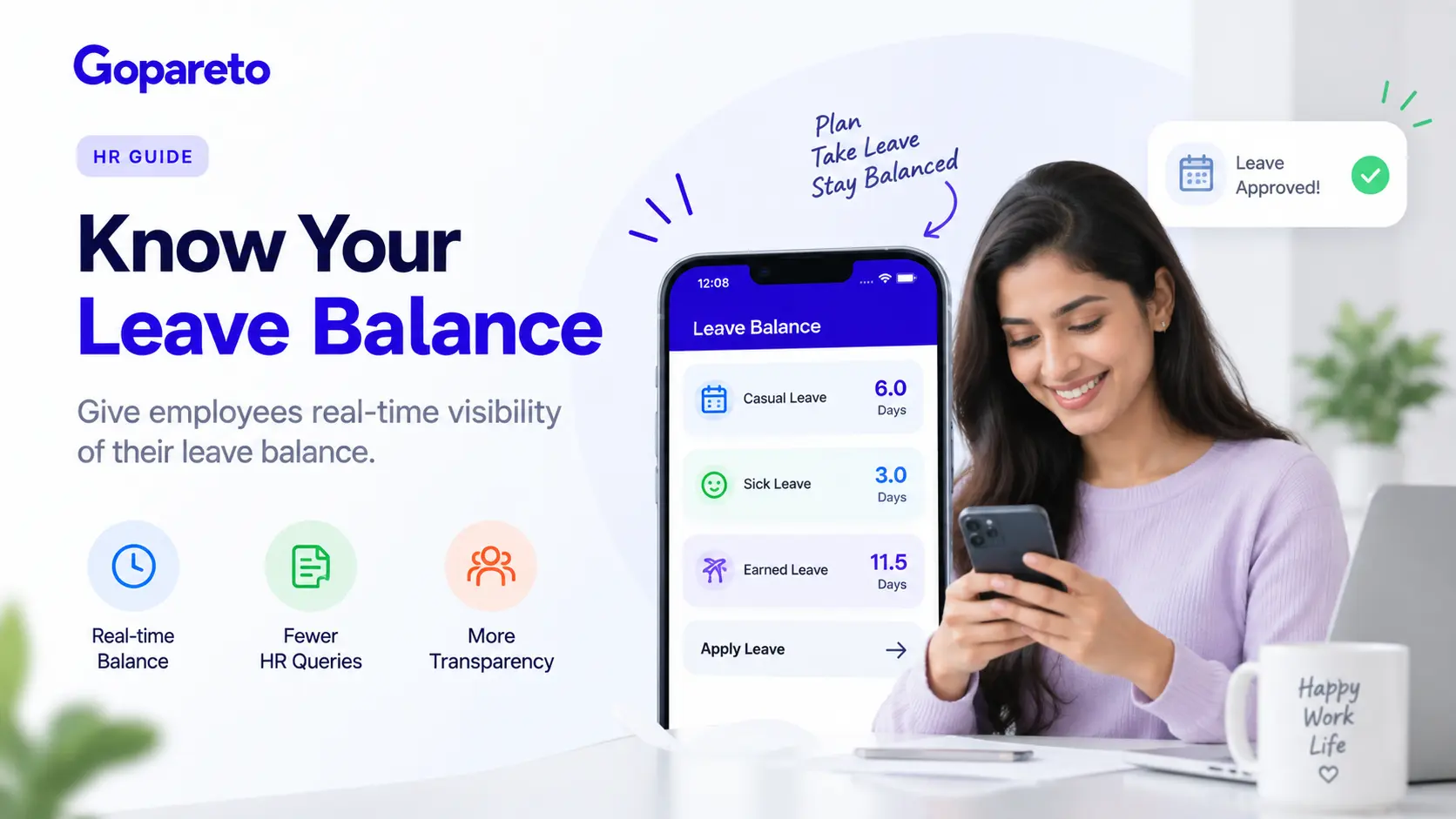
- Employees can see their leave entitlements and current balance
- System calculates accrual during leave automatically
- No confusion or disputes about how much time is available
- HR can verify leave status instantly
Benefit Continuity Management
- Track which benefits continue during leave
- Automate notifications so nothing falls through the cracks
- Maintain records of benefit deductions and contributions
- Clear audit trail for compliance
Communication Tools
- Schedule notifications for key dates (confirmation meetings, return to work prep)
- Store all communications about leave in the employee’s record
- Ensure continuity if the primary HR person is unavailable
Documentation and Compliance
- Digital records with timestamps
- Searchable archive of all leave-related communication
- Audit-ready documentation for compliance audits
- Protection against disputes
When you handle maternity and paternity leave correctly, you’re not just protecting your business—you’re supporting your employees and building a company they want to stay with.
Final Thoughts: Support Your Team Through This Transition
Maternity and paternity leave is one of the most important moments in an employee’s life. How you handle it determines whether they return as a loyal, motivated team member or seek opportunities elsewhere.
The businesses that succeed in retention and morale aren’t the ones that offer the bare minimum. They’re the ones that plan, communicate clearly, support their people, and treat parental leave as an investment in their team.
Start by auditing your current policy against local law. If you’re missing something, fix it today. Then communicate it clearly to your team. When an employee announces they’re expecting, you’ll be ready to handle maternity and paternity leave correctly.
Ready to simplify leave management?
How GoPareto Helps
GoPareto’s leave management system handles everything from policy documentation to benefit tracking to return-to-work coordination. See how GoPareto makes managing maternity and paternity leave easier—view our leave management features.
Request a DemoVisit Us
GoPareto - Simple & Complete Business Management solution, Omkar Nandan Apartment, A1 201, near Navale Bridge, Kudale Baug, Narhe, Pune, Maharashtra 411041.
Related Blogs