Manual vs Automated Attendance Tracking: Which is Better for Small Businesses
February 19, 2026 | By Gopareto Marketing
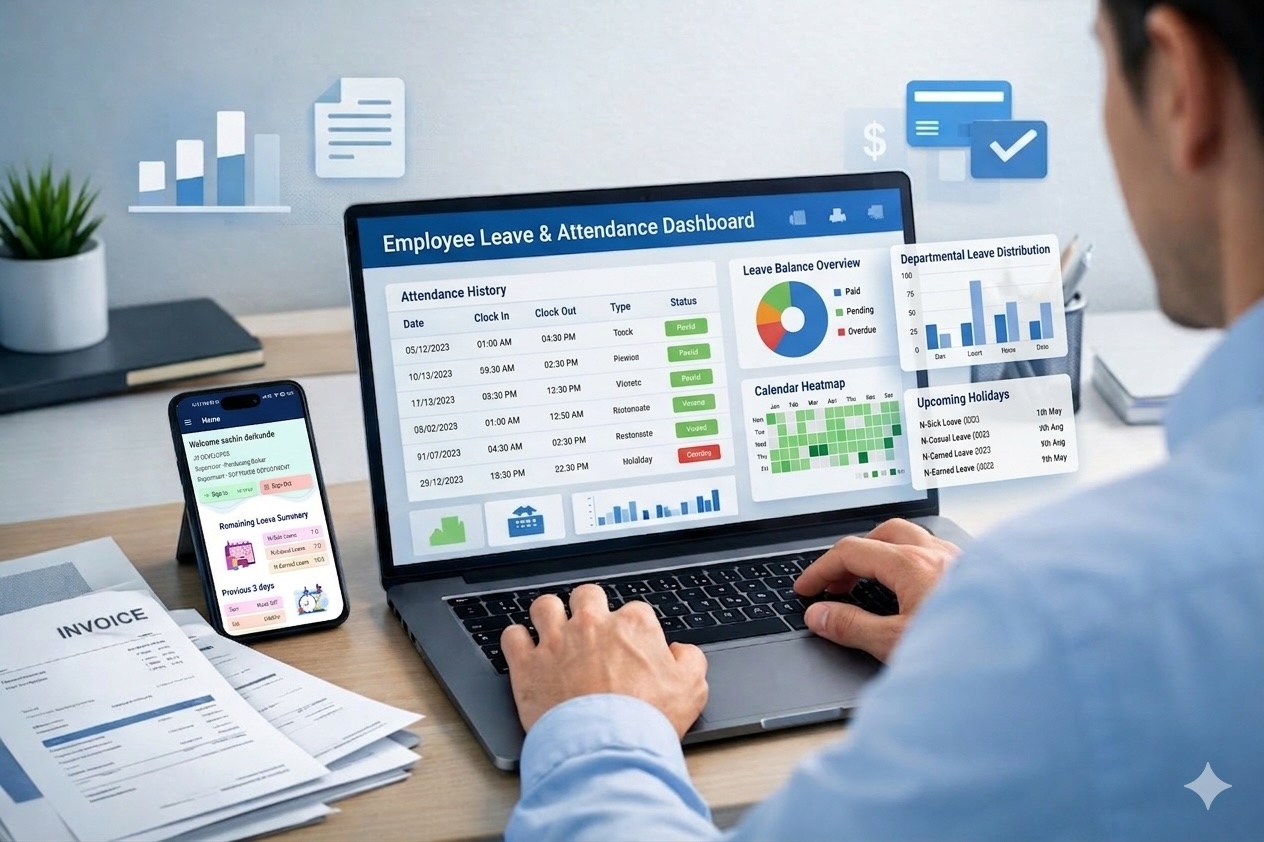
Although monitoring staff attendance may seem like a straightforward daily activity for small firms, it eventually has a direct impact on productivity, payroll accuracy, and compliance. While some businesses are moving to digital, others may still use papers, spreadsheets, or registers. Examine the true differences between automatic and manual attendance monitoring systems, and determine which is more suitable for expanding companies.
Manual Attendance Tracking: Simple But Risky
Manual tracking typically involves a supervisor or HR representative maintaining basic time records in a register or an Excel sheet. While these approaches seem workable at first, they frequently cause issues over time. Calculation errors, buddy punching, missing entries, and payroll preparation delays are common problems. As teams grow, it becomes more challenging to keep accurate records, which raises the risk of disputes and compliance problems. Additionally, manual systems don't reveal anything about productivity or attendance trends.
Automated Attendance Tracking: Smarter and More Reliable
Automated systems capture attendance digitally through mobile apps, biometric devices, web portals, or GPS tracking. Data is recorded in real time and directly connected with payroll and leave records.
With the help of leave management software in India, businesses manage their attendance, leave approvals, and overtime from one software only. This helps in reducing paperwork for HR and ensures accurate salary processing.
For companies operating locally, adopting an attendance management system is becoming increasingly common as businesses move towards digital operations and flexible work models.
Key Differences That Impact Business Growth
Manual systems focus only on record keeping, while automated systems provide complete workforce visibility. Automatic tracking improves accuracy, prevents time theft, speeds up payroll, and supports compliance. It also provides reports that help managers understand absenteeism, workload patterns, and staffing needs.
From a cost perspective, automation involves a software investment that quickly pays for itself through time savings, reduced payroll errors, and improved productivity.
Which Is Better for Small Businesses?
For very small teams, manual tracking may work temporarily. But as activities expand, an attendance management system in Pune and automation emerges as the more sensible and scalable option. Automatic attendance systems facilitate improved work management, efficiency, and transparency.
Go Digital for Long-Term Success
Automation clearly offers small firms greater control, accuracy, and return on investment when compared to manual attendance tracking. Businesses may remain organised and prepared for expansion by combining dependable leave management tools with a digital attendance system.