How to Ensure Legal Compliance for Small Business HR: A Practical Guide
August 7, 2026 | By Gopareto Marketing
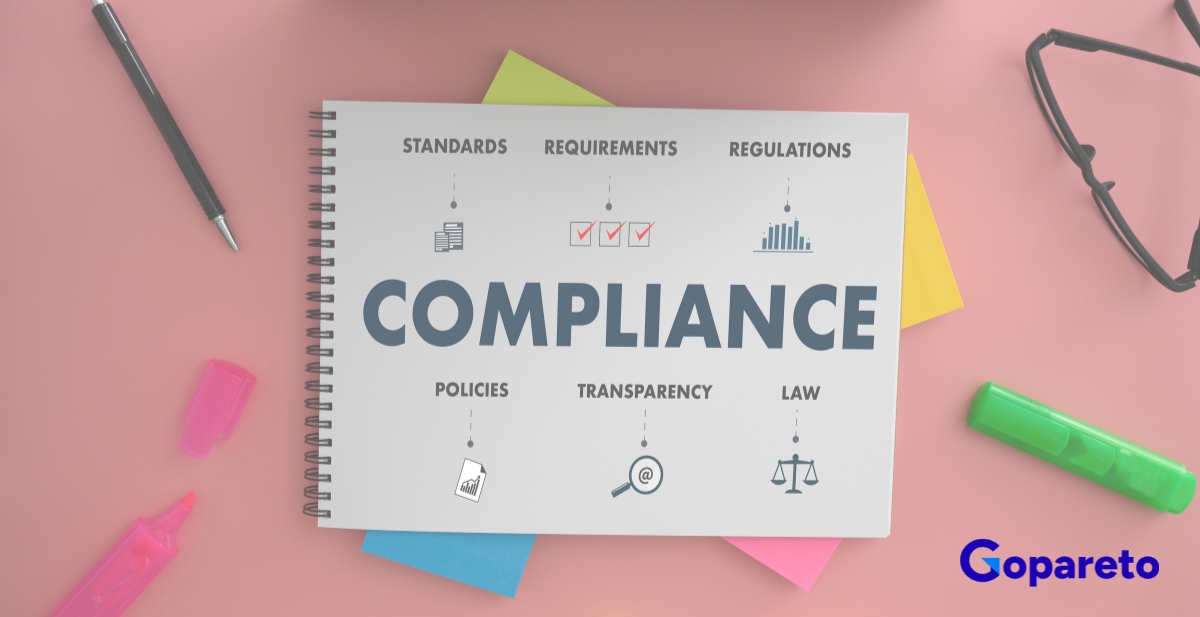
Running a small business is a juggling act. You're handling product, customers, sales and operations — often all at the same time. HR and compliance usually land at the bottom of the priority list until something forces your hand.
Here's the problem: ignoring HR compliance doesn't make it go away. It just means penalties, legal trouble and stress when you least expect them. But here's the reality nobody tells you — HR compliance for a small business isn't as complicated as it sounds. You have fewer employees, fewer regulations and fewer moving parts than a large enterprise. You can handle this without hiring a specialised compliance team. Let me show you the actual steps.
1. First, Know What You're Actually Required to Do
This is where most small businesses go wrong. They assume they need to follow every single labour law. They don't. In India, what you're required to do depends on how many employees you have, what type of organisation you are, which state you operate in, and what kind of work your employees do.
For the most common scenario — a small business with 5 to 50 employees in a metro area — here's your core framework:
- Minimum wage laws: you must pay at least the statutory minimum wage for your state, with no exceptions.
- Provident Fund: mandatory at 20 or more employees. Below that it isn't required, but it's a hiring advantage.
- Working hours and overtime: employees can't average more than 48 hours a week, and work beyond that requires overtime payment.
- Leave laws: a statutory minimum of roughly one day of leave per month, with some states requiring more.
- Gratuity: payable to employees completing five or more years of service; mandatory once you have 10 or more employees.
- Payment of Wages Act: salary must be paid on time, in full, with documented deductions.
- POSH: with 10 or more employees you need a sexual harassment prevention policy and an internal committee.
- Health and safety: basic workplace safety requirements apply to every business.
- Data protection: employee personal data must be handled in line with the DPDP Act.
Notice what isn't on that list: engagement programmes, elaborate performance management, or advanced HR analytics. Those are nice to have. The list above is need to have.
2. Build Your Documentation System
Compliance is impossible without documentation — but documentation doesn't mean 200 pages of policy manuals. It means evidence. When an inspector asks whether you paid minimum wage, you show salary records. When they ask whether you followed leave law, you show attendance records and leave approvals.
Here's what you absolutely need on file:
- Employment records: signed contract for every employee, ID proof, record of salary offered and accepted, date of joining and any role changes.
- Payroll records: monthly salary slips showing gross pay, deductions and net pay; proof of payment; TDS calculations and filings; PF and other statutory contributions.
- Attendance and leave: daily attendance records, leave applications and approvals, a leave balance tracker, and any encashments or carry-forwards.
- Statutory filings: income tax and TDS returns, PF forms and contribution records, professional tax payments, annual compliance certificates.
- Policies and agreements: employment contract or offer letter, written leave policy, code of conduct, and confidentiality agreements where relevant.
Organise all of it into clearly labelled folders, digital or physical. The test is simple: if an inspector asks for all payroll documents for a given financial year, can you hand over one folder with everything labelled and dated?
3. Create Simple, Written Policies
You need a handful of basic written policies, and none of them need to be complicated. A salary and payment policy covering when salary is paid, what components make it up, how deductions are calculated and how payment issues are raised. A leave policy covering leave types, entitlements, notice and approval, and what happens to unused leave. A code of conduct setting out basic expectations, grounds for disciplinary action and the warning process. And a confidentiality or IP agreement where your work warrants one.
Each policy should run one to two pages in plain language. Share them with your team and get written acknowledgement — email is fine. If you need a starting point, our guide on developing a legally compliant leave policy walks through the details.
4. Get Payroll Right
Payroll is where most small businesses stumble, and it's where auditors look first. Four things matter.
Pay on time. Set a specific payment date, communicate it clearly and stick to it. Missing payroll creates immediate legal and employee-relations problems.
Calculate correctly. Gross pay minus statutory deductions (PF, TDS, professional tax) and agreed voluntary deductions equals net pay, and the payslip should show every line. Manual calculation is asking for errors — use payroll software instead.
Document everything. Keep salary slips, payment proofs, TDS calculations and filings, and PF contribution records. If you're not deducting because employees fall below a threshold, document that decision rather than leaving a blank.
Track statutory obligations. File and pay TDS quarterly if you deduct it, contribute and file PF monthly, pay professional tax on your state's schedule, and file annual returns showing what you deducted and paid.
5. Maintain Attendance Records
Attendance is a simple question: who worked when? You don't need a fancy system, you need consistency. With five to ten employees, a spreadsheet recording date, employee, present/absent/leave and leave type works. Beyond that, use an attendance management system that timestamps entries automatically.
This matters because leave entitlements are calculated from attendance. If you claim an employee took five days of leave, the attendance record proves it. If someone disputes pay or termination, those records back up your position. Keep them for at least three years.
6. Handle Separations Properly
When someone leaves, you have obligations. Settle all outstanding salary immediately, encash any earned leave owed, recover company property, and calculate and pay gratuity where applicable. Document the exit with a resignation or termination letter, the reason for separation, a receipt for returned property and a full and final settlement statement.
Then close out the statutory side: update payroll records, issue Form 16 where applicable, update provident fund records, and hand the employee the documents they'll need — offer letter, payslips and an experience certificate. Many legal disputes happen at separation, so getting this right protects both sides.
7. Create a Compliance Calendar
Map the year out once and the rest takes care of itself.
- Monthly: process payroll including TDS, PF and professional tax; update attendance and leave records; reconcile payment and documentation issues.
- Quarterly: file TDS returns, review leave balances, reconcile payroll records.
- Annually: file income tax returns, reconcile PF contributions, audit employment contracts and policies, conduct the salary review, and refresh statutory policies.
- As needed: onboard new hires, process separations, handle leave encashments and respond to any legal notices.
Post the calendar somewhere visible, set reminders, and mark completion. This one habit prevents most compliance problems.
8. Get Help When You Need It
You don't need a full-time compliance officer, but you do need someone to own this — your office manager, your finance person, or you, if you're willing to spend four or five hours a month. Give that person the calendar to monitor, access to payroll records and responsibility for documentation, and have them report monthly on what's complete and what needs attention.
For specialised questions — setting up TDS, interpreting a new labour law, handling a complex termination — hire a consultant for a few hours. It's far cheaper than penalties. Most payroll software vendors also offer compliance support; use it.
9. Stay Updated on Changes
Labour laws change, minimum wages increase, and new regulations arrive. Spend 30 minutes a quarter reading updates for your state — your state labour department website, chamber of commerce bulletins and payroll software newsletters are enough. When something changes, assess the impact, update your policies and tell your team. You don't need to be a lawyer; you need to be aware.
Common Compliance Mistakes and How to Avoid Them
No written contracts. A verbal hire with no contract leaves you without proof when salary or role is disputed. Use a simple one-page employment contract.
Sloppy payroll. Late payments, wrong calculations and missing documentation create dissatisfaction and legal exposure. Use software and pay on schedule.
Ignoring statutory thresholds. Skipping PF and gratuity at nine employees works until you hire the tenth. Plan for growth and get ahead of the requirement.
No leave records. Without records, a disputed leave or approval becomes your word against theirs. Maintain attendance and approval logs.
Terminating without documentation. Verbal dismissals with no record of performance issues or warnings invite wrongful termination claims. Document issues and issue warnings in writing.
Treating contractors as employees. If someone works fixed hours on company equipment under your direction, that's likely an employment relationship legally — with all the compliance that entails.
Cash payments without records. Undocumented cash salary is a nightmare in any dispute. Record everything.
Conclusion: Your Compliance Roadmap
Here's what to do this month: audit your current documentation and note what's missing; issue employment contracts to everyone who doesn't have one; write down your salary, leave and conduct policies and share them; move payroll onto a reliable system; build your compliance calendar; name your internal owner; and do a trial run to see whether you could hand over payroll, attendance and policy documents without scrambling.
That's roughly 20 to 30 hours upfront and three to four hours a month to maintain — far less than the cost of penalties or disputes. GoPareto automates payroll calculations, maintains statutory and attendance records, generates compliance reports and reminds you of key deadlines, so compliance becomes a background process instead of a fire drill.
Frequently Asked Questions (FAQs)
1. Which HR laws apply to a business with fewer than 20 employees in India?
Minimum wage, working hours and overtime, statutory leave, timely payment of wages, basic health and safety, and data protection apply regardless of size. PF becomes mandatory at 20 employees, and POSH and gratuity obligations at 10.
2. Do I need written employment contracts for every employee?
Yes. A one-page contract recording role, compensation, working hours, leave and notice period is the single cheapest protection against future disputes.
3. How long should attendance and payroll records be kept?
Keep attendance records for at least three years and payroll, contract and statutory filing records for the full statutory retention period, organised by financial year.
4. What are the most common penalties small businesses face?
Late or short payment of wages, unpaid or late statutory contributions, missing leave and attendance records, and undocumented terminations account for the majority of findings.
5. How does GoPareto support HR compliance?
GoPareto centralises attendance, leave, payroll and employee documents, automates statutory deduction calculations, and produces audit-ready reports and deadline reminders from a single dashboard.
Visit Us
GoPareto - Simple & Complete Business Management solution, Omkar Nandan Apartment, A1 201, near Navale Bridge, Kudale Baug, Narhe, Pune, Maharashtra 411041.
Related Blogs